Indonesian
ID
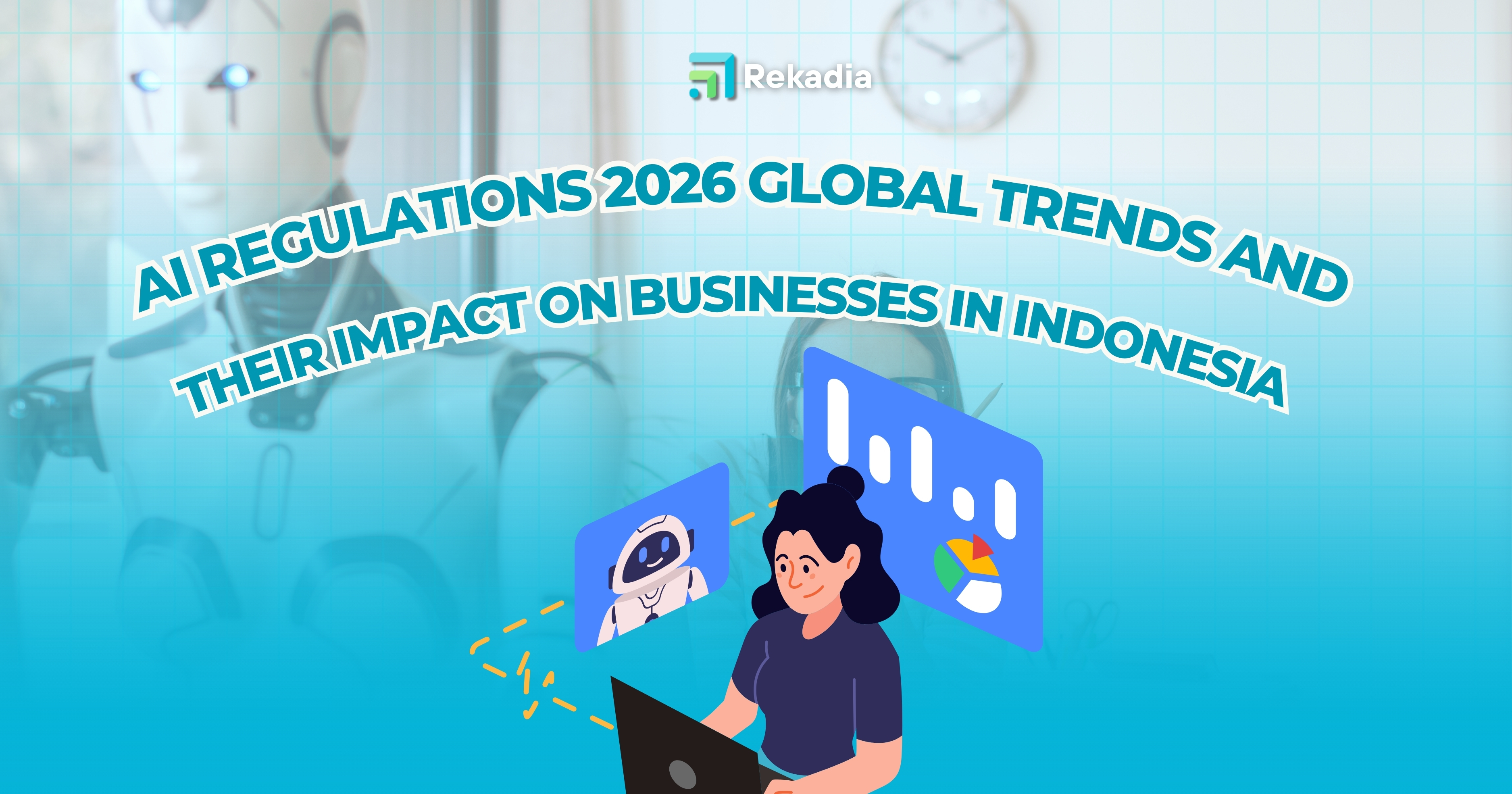
Artificial Intelligence (AI) is evolving rapidly, and so are the regulations surrounding it. By 2026, regulatory frameworks have become a major focus worldwide.
Over 35 U.S. states already have AI-related laws in place. But what about Indonesia? And how will these regulations impact businesses?
AI regulation is no longer optional, it’s essential for ensuring safety, transparency, and ethical use.
Companies are required to explain how their AI systems work, including data sources and decision-making processes.
Stricter rules are being enforced to protect user data, especially for AI systems handling sensitive information.
Certain industries like healthcare, finance, and legal sectors face tighter AI usage restrictions.
Indonesia is still developing its AI regulatory framework, but progress is underway.
The government is focusing on:
AI regulations are not just about compliance—they shape business strategy.
Businesses must adjust their systems to align with new regulations.
Companies need to invest in secure and compliant systems.
Clear regulations help build stronger customer trust.
To stay competitive, companies must act proactively.
AI regulations in 2026 are a game changer. Businesses that adapt early will gain a significant competitive advantage.
Don’t wait start preparing your business today.
📩 Need AI-ready IT solutions? Contact Rekadia now!
Read more: 5 Trusted IT Companies 2025 Edition
Explore our solution: E-Office